


Target on Wednesday posted its third consecutive quarter of strong sales growth and raised its full-year revenue forecast, as stepped-up investments in value and lower prices helped draw budget-conscious shoppers into stores ahead of the holiday season.
The earnings report is a strong bet on expected resilient holiday shopping demand as Target’s multi-year turnaround continues to accelerate. November sales were trending above October levels, the company said.
“Our third-quarter results reflect continued progress against our strategic priorities, centered on serving busy families with our signature blend of style, design and value,” Target CEO Michael Fiddelke said in a statement.
TARGET BETS BILLIONS ON STORE UPGRADES TO WIN BACK SHOPPERS
“Our investments are building on one another – creating momentum in our business and further defining our unique lane in retail,” he added. “As we head into the all-important holiday season, we’re focused on offering the best of Target to our guests – from finding just the right gifts for all the people they love to bringing their holiday traditions and celebrations to life – with value they can feel great about.”
For the third quarter ended Oct. 31, net sales climbed 7.1% year over year to $27.1 billion, while total comparable sales rose 5.6%, easily surpassing analyst estimates of 3.5% and reversing the 2.7% decline recorded in the same period a year ago. Growth was fueled by a 5% increase in customer traffic and a 0.6% uptick in average transaction value.
Under Fiddelke, who took the helm earlier this year, the retailer has invested roughly $5 billion to remodel stores, refresh its merchandise mix and lean into high-demand categories. It also announced plans to spend another $5 billion to $6 billion in capital expenditures in 2027.
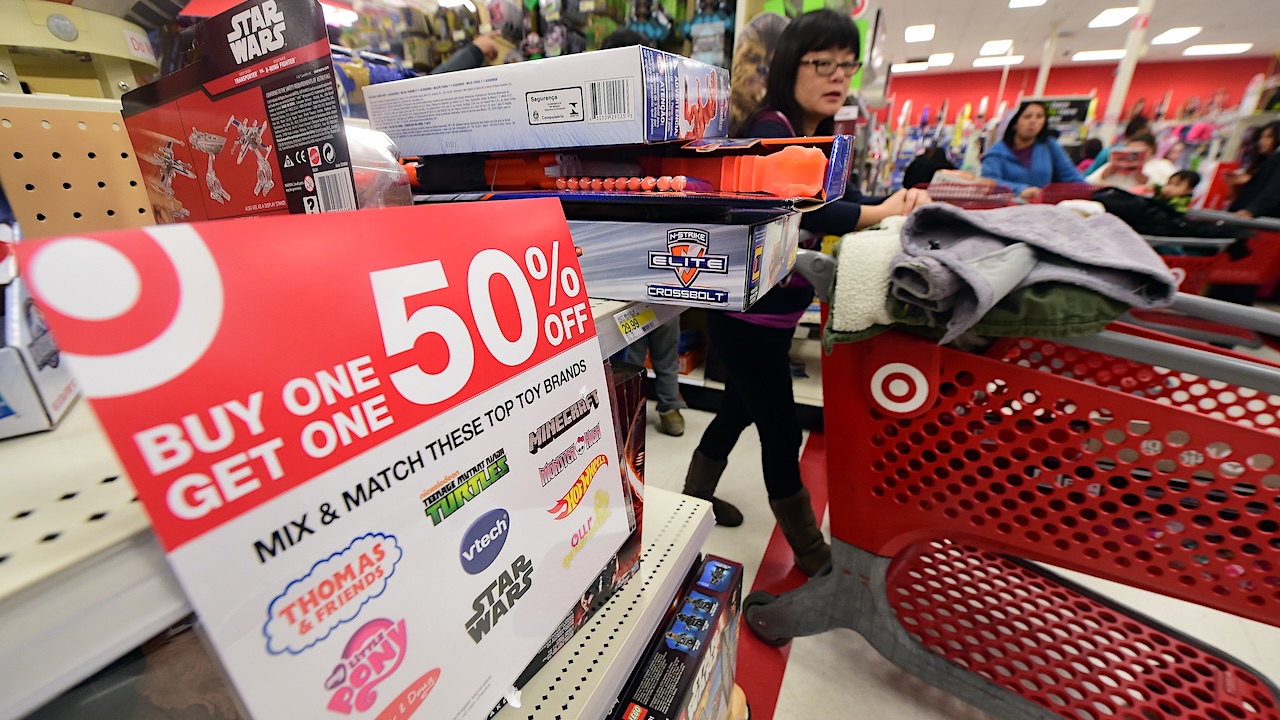
The hardlines category, which consists of toys and electronics, was once again a bright spot, with sales jumping nearly 27% in the quarter. Target has overhauled the business this year by shifting its focus to collectibles such as trading cards and wearable tech from larger products like TVs.
TARGET CEO MICHAEL FIDDELKE TAKES OVER AMID DECLINING SALES AND CHALLENGES
Sales in the food and beverages category rose 6.6% in the three months through October.
But Target has yet to get its groove back in big-ticket, discretionary items like apparel and home decor — two categories that together account for about 30% of the company’s merchandise sales. Sales were down 3.8% in the apparel business in the quarter, while home decor grew 2.5%.
The two categories are the hardest to improve because they hinge on appealing to evolving consumer tastes and persuading shoppers to make discretionary purchases, according to RBC Capital Markets analyst Steve Shemesh.
Getting such product lines right “will prove imperative to long-term profitability,” Morningstar analyst Brett Husslein added. “It is crucial.”
TARGET SLASHES PRICES ON THOUSANDS OF ITEMS IN BID TO REVIVE SLIPPING SALES
Executives, for their part, say the strategy in apparel and home has produced positive results where resources have been expended.
“We tackled bedding, we tackled bath, we tackled kids’ home,” Chief Merchandising Officer Cara Sylvester said in a call with media ahead of results. “Those are areas that are all performing really well.”
Fiddelke said on the same call that “we’ve got momentum in parts of each of those categories, and we need more,” adding, “We haven’t arrived.”
Beauty sales jumped more than 9% to $3.53 billion, while food and beverage rose 6.6% to $6.41 billion as inflation-weary shoppers gravitated toward everyday essentials and protein snacks.
GET FOX BUSINESS ON THE GO BY CLICKING HERE
Heading into the fourth quarter, Target said November net sales are trending ahead of October levels as it rolls out more than 8,000 new gift items – thousands priced at $5 or under – alongside AI-powered shopping tools and a $30 Thanksgiving meal bundle for six.
Backed by its third-quarter momentum, the retailer lifted its full-year net sales growth outlook by one percentage point to around 6% and projected full-year GAAP and adjusted EPS of $10.65 to $11.40, incorporating roughly $2.14 per share in tariff refund benefits recognized so far this year.
Reuters contributed to this report.