





Inflation surged in April as consumer prices rose amid the impact of the Iran war on the energy market and broader economy.
The Bureau of Labor Statistics on Tuesday said that the consumer price index (CPI) – a broad measure of how much everyday goods like gasoline, groceries and rent cost – rose 0.6% from a month ago and is 3.8% higher than last year. That’s the highest level since May 2023.
The 0.6% monthly increase was in line with the expectations of economists polled by LSEG, while the annual figure was hotter than the prediction of 3.7%.
So-called core prices, which exclude volatile measurements of gasoline and food to better assess price growth trends, were up 0.4% on a monthly basis and 2.8% from a year ago. Both of those figures were higher than economists’ predictions of 0.3% and 2.7%, respectively.
AMERICANS LEAN ON CREDIT CARDS AND BUY NOW, PAY LATER AS GAS PRICES EAT BIGGER SHARE OF INCOME
Economists have noted that the inflation data from December 2025 through April 2026 will be affected by data collection interruptions that occurred during last fall’s 43-day government shutdown.
During the shutdown, the BLS wasn’t able to gather data and used a carry-forward methodology to make up for the lack of an October CPI report and missing data in November’s report. Economists say this is likely to impart a downward bias on inflation data until this spring, when fresh data will negate the discrepancy.
High inflation has created severe financial pressures in recent years for most U.S. households, which are forced to pay more for everyday necessities like food and rent. Price hikes are particularly difficult for lower-income Americans, because they tend to spend more of their already-stretched paychecks on necessities and have less flexibility to save.
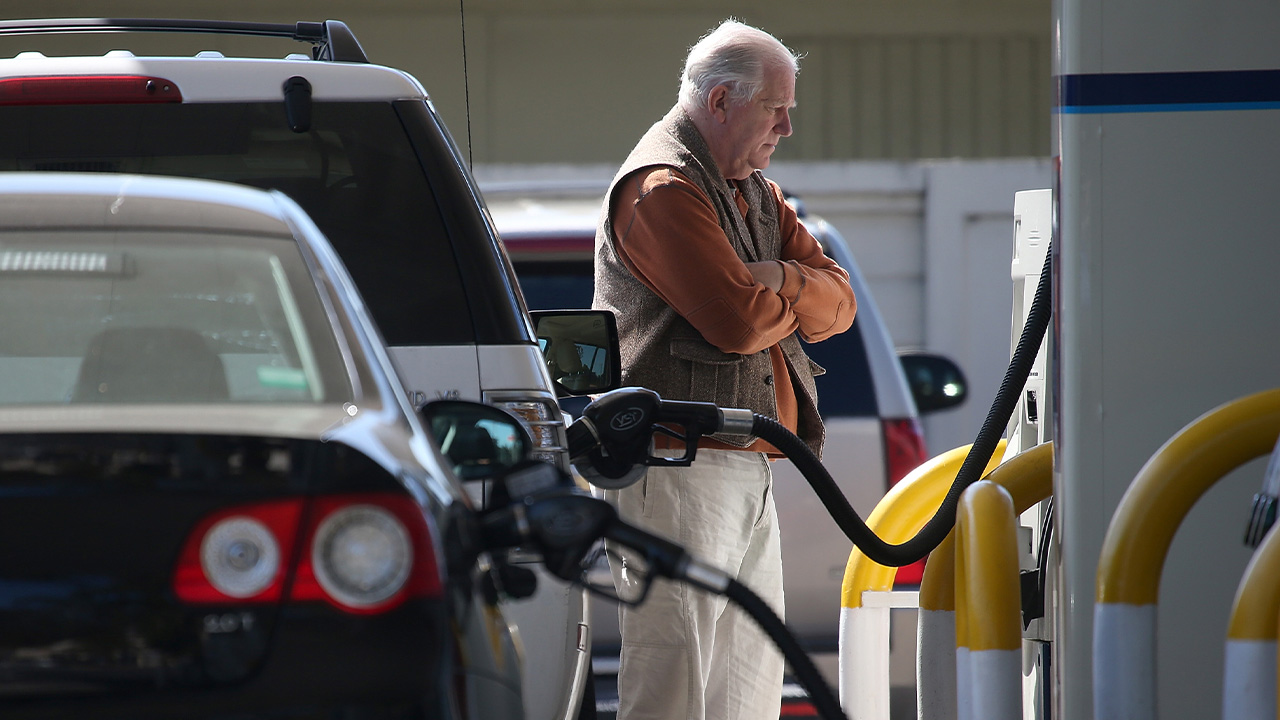
Energy prices rose 3.8% in April amid the Iran war’s disruption of Middle Eastern oil supplies, with prices up 17.9% in the last year. The BLS noted that the energy index accounted for over 40% of the overall CPI increase in April.
GAS PRICE SURGE HITTING LOW-INCOME HOUSEHOLDS HARDEST, FED STUDY FINDS
Gasoline prices increased 5.4% in April and are up 28.4% from a year ago. Electricity prices rose 2.8% on a monthly basis and are up 6.1% from a year ago. Utility gas service prices declined 0.1% in April and are up 3% in the last year.
Food prices rose 0.5% in April and were up 3.2% from a year ago. The food at home index rose 0.7% on a monthly basis and is up 2.9% from last year. The food away from home index increased 0.2% in April and is 3.6% higher than a year ago.
Meats, poultry and fish prices were up 1.2% on a monthly basis and are up 6.7% from a year ago. Beef and veal prices were up 2.7% in April and are 14.8% higher than a year ago. Egg prices rose 1.5% in April but are down 39.2% year over year as supplies normalized after an avian flu outbreak created shortages. The fruits and vegetables index rose 1.8% in April and is 6.1% higher than a year ago.
Housing prices were 0.6% higher in April and are up 3.3% over the last year. Tenants’ and household insurance costs rose 0.1% for the month but are up 7.2% year over year.
Transportation service prices were up 0.3% for the month and are 4.3% higher than a year ago. Airline fares accounted for much of the increase, as they rose 2.8% in April and are up 20.7% year over year.
FEDERAL RESERVE LEAVES INTEREST RATES UNCHANGED AS POWELL’S CHAIRMANSHIP NEARS END
James McCann, senior economist for investment strategy at Edward Jones, said that “American households continue to feel the brunt of surging energy costs, adding to the deluge of inflation they have weathered since the pandemic. Moreover, with the Strait of Hormuz still effectively shuttered, the risk that we are not past the peak of these price pressures is rising.”
“The good news is that the economy looks resilient to this price shock so far. Many consumers have benefited from tax refunds this year, hiring has picked up from near stagnant rates in 2025 and businesses are generating robust profit growth,” McCann added.
GET FOX BUSINESS ON THE GO BY CLICKING HERE
Seema Shah, chief global strategist at Principal Asset Management, said that the inflation data has likely pushed a Federal Reserve rate cut until December at the earliest, with risks rising that it won’t occur until 2027.
“While the pickup in headline inflation was expected, the upside surprise in core is more consequential. It tentatively hints at broadening price pressures, something the Fed will be reluctant to dismiss,” Shah explained. “It is still too soon to conclude that a sustained second-round dynamic is underway. But with inflation rising to its highest level since 2023 and looking uncomfortably sticky, alongside a more resilient and dynamic labor market, the case for policy caution has strengthened.”