





Introduction:
The recent announcement of the USA Women’s Basketball Olympic roster sent shockwaves through the sports world—but not because of who made the team. Instead, the biggest story was who didn’t: Caitlin Clark, the electrifying, record-breaking young star from the University of Iowa and now the Indiana Fever.
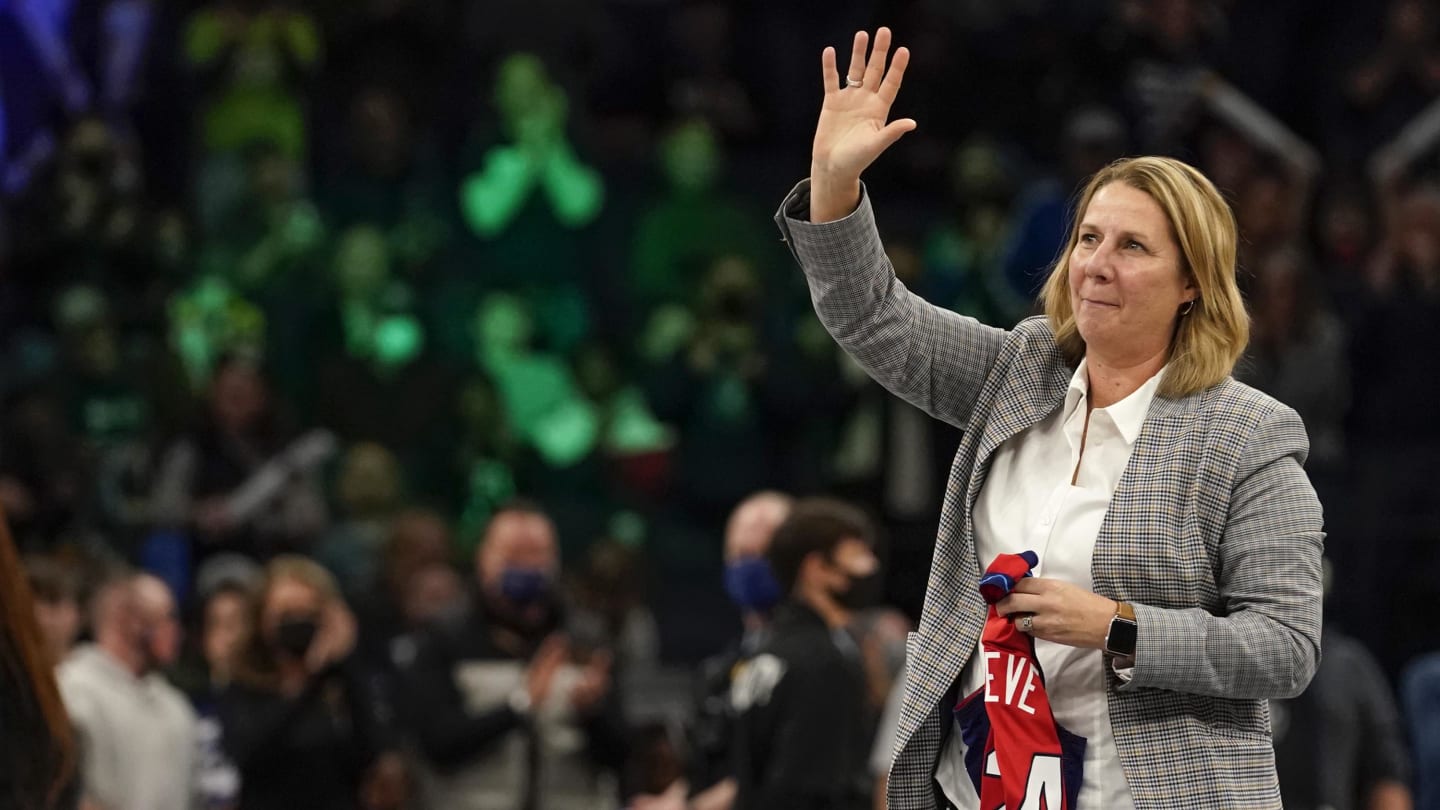
For many, Clark’s exclusion wasn’t just surprising—it was controversial. The decision has placed Cheryl Reeve, head coach of Team USA and the Minnesota Lynx, directly under the microscope. Now, as the team prepares for Paris 2024, Reeve faces unprecedented public and media scrutiny, with critics questioning the rationale behind omitting one of the game’s most popular and talented players.
But is the criticism fair? Or is Reeve making the tough but strategic decisions necessary to secure another gold for Team USA?
Who Is Cheryl Reeve?
Before diving into the controversy, it’s important to understand who Cheryl Reeve is—and why she’s in this position.
- Head Coach of the Minnesota Lynx (since 2010)
Reeve is a four-time WNBA champion and one of the most successful coaches in league history. - USA Basketball Coach since 2021
After serving as an assistant coach for the national team, she took over as head coach, charged with leading a new generation of players while maintaining USA’s dominance. - Reputation
Reeve is widely respected for her basketball IQ, leadership, and commitment to the women’s game. But she is also known for being tough, principled, and unapologetically team-focused—qualities now at the center of the Caitlin Clark debate.
Caitlin Clark: A Meteoric Rise
Caitlin Clark’s rise to stardom has been nothing short of extraordinary:
- NCAA Scoring Record: Became the all-time leading scorer in NCAA Division I basketball history (men’s or women’s).
- TV Ratings Magnet: Games involving Clark regularly broke viewership records, helping propel women’s basketball into the mainstream.
- Fan Favorite: With a unique combination of deep shooting range, court vision, swagger, and marketability, she became the face of the sport.
After being selected No. 1 overall in the 2024 WNBA Draft by the Indiana Fever, Clark instantly became the most watched and talked-about player in the league.
The Snub Heard Around the World
In June 2024, USA Basketball announced its 12-player roster for the Paris Olympics. It included many expected names:
- A’ja Wilson
- Breanna Stewart
- Diana Taurasi
- Jewell Loyd
- Alyssa Thomas
- Napheesa Collier
But Clark’s name was nowhere to be found.
The reaction was immediate:
- Fans outraged on social media, calling it “political” and “a disgrace.”
- Pundits divided—some argued she hadn’t earned it yet; others said her exclusion was a missed opportunity.
- WNBA players and coaches offered mixed reactions, with some defending the decision as merit-based and others quietly supporting Clark’s case.
Suddenly, Cheryl Reeve found herself at the center of a national debate.
Cheryl Reeve’s Defense
In the aftermath, Reeve and USA Basketball officials explained the decision in measured terms. Their primary justifications:
1. Team Chemistry
Reeve emphasized the need for players who can adapt to their roles quickly. Olympic play is fast-paced, physical, and dominated by veterans with international experience. Reeve wanted a roster that already had established chemistry and defensive prowess.
2. Defensive Concerns
While Clark is a generational offensive talent, critics have pointed to her defensive liabilities at the pro level. Reeve, a defense-first coach, may have seen this as a gap that could be exploited in international play.
3. Experience Matters
Clark had only been a pro for a few months. The Olympics, Reeve argued, are not the place to “develop” players—it’s about winning gold with battle-tested veterans.
4. Media Distraction
Privately, some insiders suggest that Reeve was concerned about the media circus that would follow Clark. With cameras following her every move, there was fear it could disrupt team dynamics.
The Pressure on Reeve: Internal and External
Now, with the roster set and Clark watching from home, Cheryl Reeve’s challenge is twofold:
1. Delivering Gold
The U.S. women have won seven straight Olympic gold medals. Anything short of a gold in Paris will now be seen by many as justification for the Clark backlash. Reeve must ensure her team not only wins, but dominates—without drama, without falter.
2. Managing Locker Room Dynamics
There are whispers of locker-room divisions—older veterans potentially supporting the decision, while younger stars quietly question it. Reeve will need to manage egos, generational divides, and external noise—all while maintaining a united front.
WNBA Impact: Divided Locker Rooms and New Alliances
Interestingly, the snub has also revealed growing generational tensions in the WNBA. Clark’s arrival has brought unprecedented attention to the league, but not all veteran players have embraced the shift:
- Some believe Clark hasn’t earned the hype, pointing to her struggles against physical defenses.
- Others argue that Clark has elevated the entire league, and that jealousy or gatekeeping may be at play.
The Olympic snub has become a flashpoint in this broader cultural moment for women’s sports—a collision of old-school values and modern visibility.
What Caitlin Clark Said
In response to the controversy, Caitlin Clark remained diplomatic and composed:
“Of course, I wanted to be part of the Olympic team. It’s been a dream of mine. But I respect the decision, and I’ll be rooting for Team USA.”
Her maturity further endeared her to fans and analysts, many of whom believe her time will come in 2028—if not sooner.
The Bigger Picture: Women’s Basketball at a Crossroads
This controversy is about more than one player. It reflects a larger inflection point for women’s basketball:
1. Balancing Merit and Marketability
As the sport becomes more commercialized, federations must decide how to balance on-court production with off-court visibility. Clark is the most marketable athlete in the game—should that count?
2. Evolving Power Dynamics
Younger players are more brand-savvy, digitally connected, and used to individual empowerment. The Olympic model, however, is about collective identity, veteran leadership, and tradition.
3. Visibility vs. Tradition
Team USA may win gold, but the absence of Clark could be a missed opportunity to attract millions of new fans to international women’s basketball.
Cheryl Reeve’s Legacy on the Line
Before this controversy, Reeve was seen as a visionary coach with multiple titles and a commitment to growing the women’s game. Now, her legacy will partly hinge on how this Olympic cycle unfolds.
- If Team USA wins gold dominantly, she’ll be praised for making the hard call.
- If the team stumbles, or lacks offensive firepower, critics will use the Clark omission as proof of a short-sighted decision.
Reeve herself has stated she is “prepared for the heat” and that coaching requires “doing what’s best for the team, not what’s easiest politically.”