


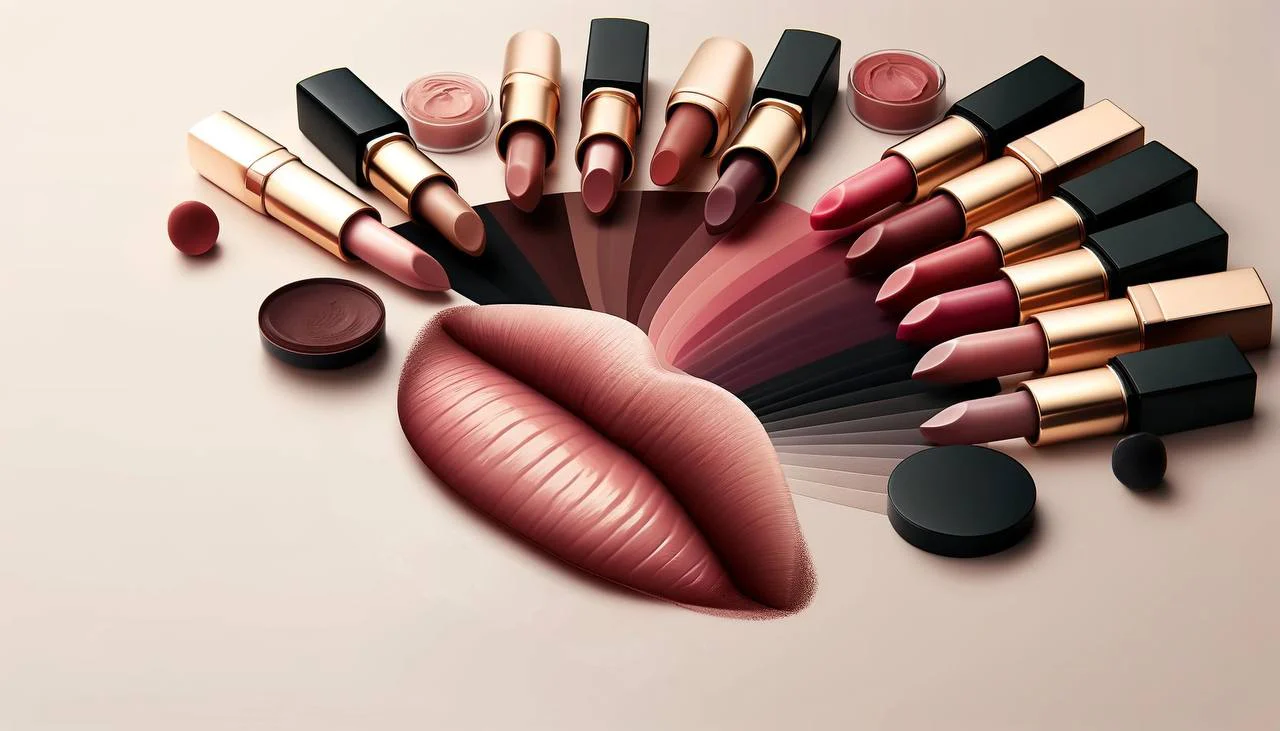
Lipstick is more than just a cosmetic; it’s a little shot of confidence you can carry around, a reflection of your mood, and sometimes, even your personal trademark. Lately, that little tube has turned into a way to show what you care about. People used to just pick a color and how it looked, but now they want to know where the ingredients come from, how the product is packaged, and if the company treats people and the planet well. Organic and sustainable lipsticks make sense with this change. They still give you great color, feel good, and last long, but they don’t hurt the environment or have bad ethical issues.
Lipstick may seem straightforward, but regular kinds have some serious environmental and ethical issues. Things like palm oil, microplastics, and artificial colors can lead to deforestation, pollution, and harm to plants and animals. Production often uses a lot of energy and solvents from fossil fuels. Plus, the tubes and plastic parts create waste that’s hard to recycle. Getting some ingredients involves unfair labor or questionable sources.
Organic and “green” lipstick is trying to solve these problems. Organic means the plants and oils grow without bad sprays and chemicals, which keeps the soil and environment in good shape. It’s a fresh take on beauty, where what’s inside the tube matters.
Eco-friendly lipsticks are becoming popular because their formulas keep getting better. The first natural lipsticks didn’t work so well they felt dry, didn’t last, or were too thick. Nowadays, they use ideas from skin care and green science. They mix natural oils, plant butters, mineral colors, and good waxes to make textures as good as regular lipsticks.
Some regular sustainable ingredients you’ll see are certified coconut oil, shea butter, jojoba oil, and castor oil (great for shiny colors). Beeswax or plant options like candelilla give it shape. Natural colors give strong shades; mica, iron oxides, and ultramarine make many colors without man-made dyes. Brands are testing film-formers without polymers and natural resins for colors that last. This keeps the color on without the petrochemical additives in most long-lasting lipsticks.
Sustainability covers both the Earth and people. Socially responsible firms treat people well by paying fair wages to farmers and protecting workers. Many lipstick brands, for example, work with farmers to ensure fair wages, help communities, promote good farming methods, and simplify supply chains.
Transparency is also important. Brands build trust by sharing where they source ingredients, listing certifications (like USDA Organic or Fair Trade), and showing how they audit factories. Customers can check labels to see if their jojoba oil is certified organic or that children weren’t involved in mining their mica. People care about this. They want makeup that matches their values. Picking an eco-friendly lipstick is a nice way to lower your impact on the environment, and you can do even better. First, finish what you have before buying more. Then, when you can, choose refills. Recycling is also a good move. When possible, support brands that support regenerative farming or community projects. This backing can make a broader impact than just your own buying choices.
The future looks bright for eco-friendly lipstick. Scientists are checking out things like biodegradable polymers, using waste ingredients like berry pigments, and even making pigments in labs to help reduce the strain on agriculture.
New packaging ideas are also becoming popular, with things like biodegradable packaging and recycling programs. It’s also great to see the industry move to be more inclusive—with more shade options, products for different skin types, and prices that are affordable for everyone. If you love lipstick, this means you can feel good about picking that bold red or simple nude, knowing you’re making a choice that’s a bit kinder to the planet.
Lipstick is deeply personal it’s a small act that can make a big impact. Now that eco-beauty is becoming more common, this act also impacts our world in small ways. Picking a lipstick that’s good for the planet doesn’t mean you have to give up looking good; you can now have both. Great color, feels good, and you can feel good about using it that makes every swipe even better.