



Experts agree: a vitamin C serum is the best single product you can add to your daily routine. It brightens, protects against environmental damage, and works alongside your sunscreen to minimize UV damage—and its benefits compound the longer you use it. But with so many options on the market, we went to the experts to find and test the best. Consider this your shortcut to a summer glow that actually lasts.
Featured image from our interview with Adrienne Mishler by Michelle Nash.

The Expert
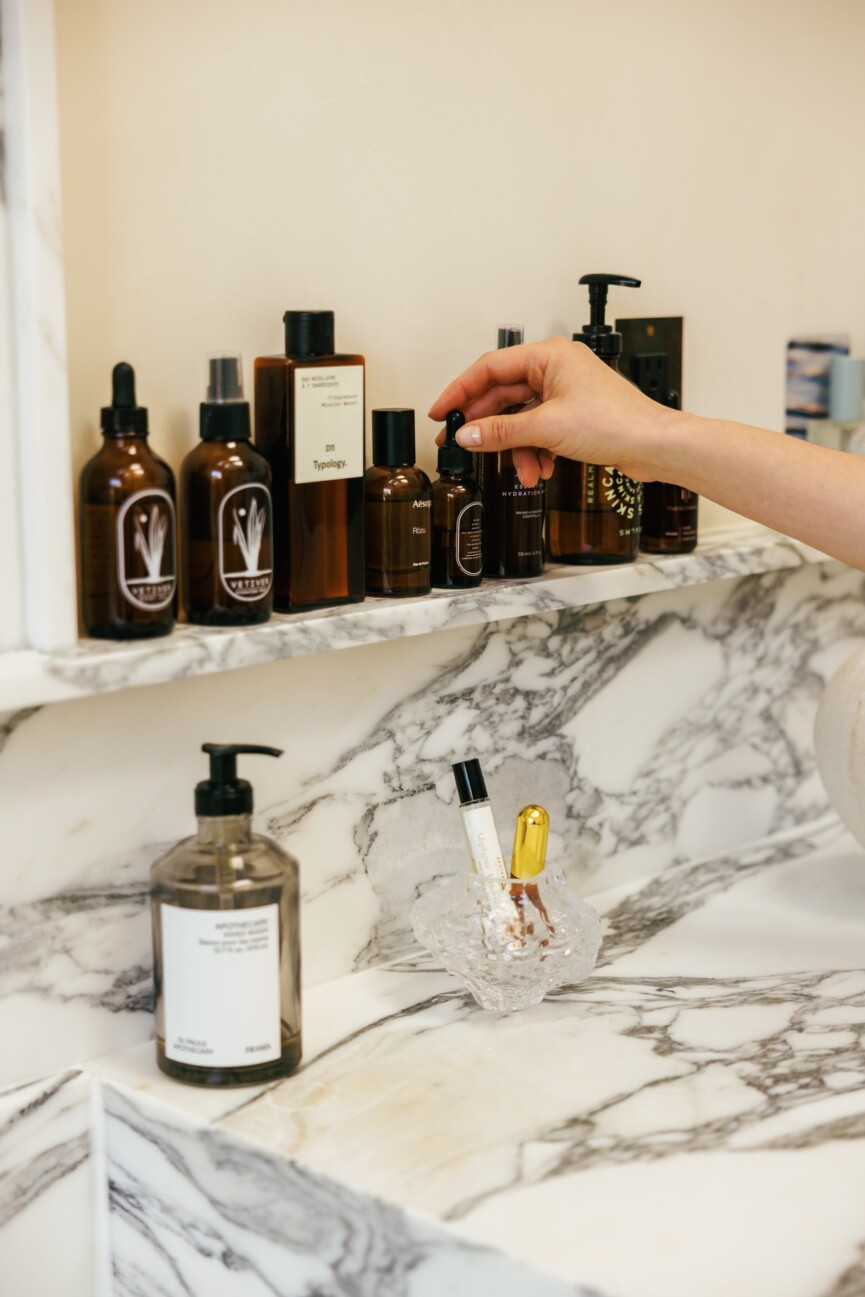
We tapped Dr. Heather D. Rogers—dermatologist, dermatologic surgeon, and founder and CEO of Doctor Rogers RESTORE—to walk us through everything you need to know about this wonder ingredient. She recommends daily vitamin C application to her patients and uses a vitamin C serum herself every morning on clean, bare skin, applied first to the face, neck, and upper chest before anything else.

What is vitamin C?
Vitamin C is an antioxidant molecule that protects your skin against free radicals caused by pollution and UV radiation—and plays a key role in collagen production. When free radicals penetrate the skin, Dr. Rogers explains, they break down collagen, contributing to sagging and wrinkles, and can stimulate the formation of brown spots and skin cancer.
An antioxidant works by collecting those free radicals and neutralizing them before they damage your cells. This is different from the protection sunscreen provides—which is exactly why the two work better together than either does alone.
What kind of vitamin C should I use?
Not all vitamin C is created equal, and the form matters as much as the percentage. The most common forms in skincare are L-ascorbic acid, ascorbyl palmitate, magnesium ascorbyl phosphate, ethyl ascorbic acid, and tetrahexyldecyl ascorbate—but what you’re really looking for is a well-formulated product that can actually get the ingredient deep enough into your skin to do its job. Multiple studies show that vitamin C serums stabilized with vitamin E offer the strongest protection against photo-aging. Formulation, not concentration, is what makes the difference.
How long does it take to see results?
Immediately, and over time—it does both. Vitamin C is a light reflector, so you’ll notice brighter skin from the first use. Its protective benefits kick in right away too. For longer-term effects like evening skin tone and reducing existing damage, most clinical studies measure results at 12 weeks, though you may start to see improvement at two. How quickly you see results depends on how consistently you use it, how well-formulated the product is, and how much existing damage your skin is working through.
How to Use It
Use it in the right order. If your vitamin C is a serum, apply it after cleansing or toning and before moisturizer. If it’s in your moisturizer, use it last.
Use it in the morning. You can apply it at night, but the morning is where it earns its keep—you’ll get an extra layer of protection against UV radiation right when you need it most.
Start with the right concentration. Sensitive skin: look for around 5%. If your skin is more resilient and you’re targeting more significant concerns, you can go higher.
A little goes a long way. More product isn’t more effective—it’s just more expensive. What actually moves the needle is consistency.
One thing to watch: if your serum changes color—from clear or pale straw to orange or brown—it’s oxidized and has lost its potency. Time to replace it.
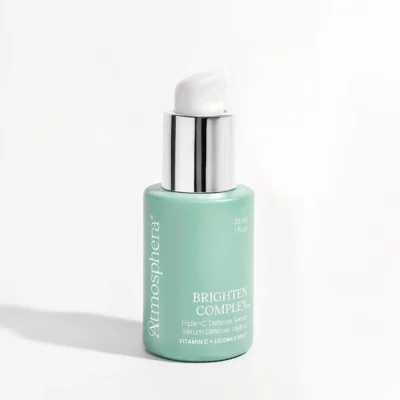
Atmosphera
Formulated specifically to protect against the environment, this climate-first antioxidant serum reinforces your skin barrier as it brightens.
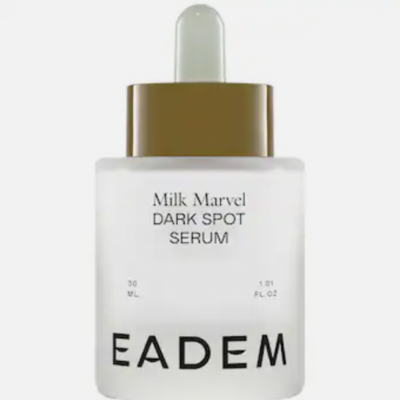
EADEM
This milky serum combines brightening ingredients like niacinamide, enzymes, licorice root, and Ethyl Ascorbic Acid for a brightening powerhouse
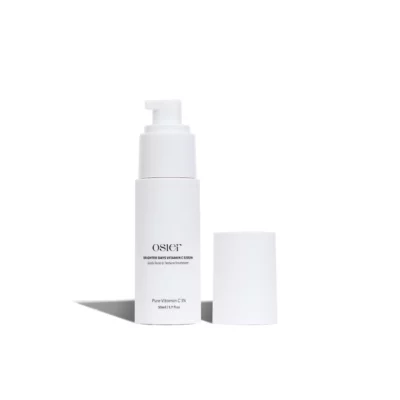
Osier
Vitamin C Serum Daily Tone & Texture Treatment
This serum provides gentle hydration with 3% Vitamin C and 10% Phyto-squalene. It’s a moisturizer and serum in one, making it perfect for minimal but effective skincare routines.
Best Vitamin C Serums for Melasma and Dark Spots
The combination of high-potency vitamin C and Tranexamic Acid is one Dr. Rogers points to specifically for stubborn pigmentation—and sunscreen isn’t optional, it’s the whole point.
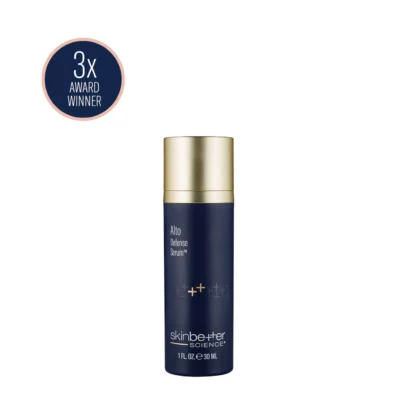
SkinBetter Science
Dr. Rogers recommends this scientifically advanced and award-winning serum. Not only does it provide antioxidant protection, but it improves the look of uneven skin tone and redness too.
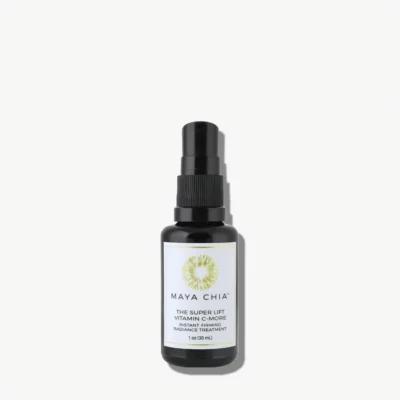
Maya Chia
Super Lift Vitamin C-More Treatment
Thanks to three forms of shelf-stable Vitamin C, Tranexamic Acid, Niacinamide, Astaxanthin, Pomegranate Peptides, Orange Blossom Stem Cells, and hyaluronic acid, this serum brightens, hydrates, and gives you a deep radiant glow.
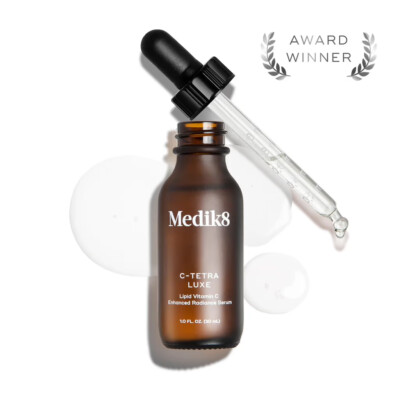
Medik8
 Luxe
Luxe Formulated with 14% Vitamin c, squalane, and Vitamin E, this oil-based serum fights fine lines and melasma to turn back the clock on your skin.
Best Vitamin C Serums for Sensitive Skin
If you’ve tried vitamin C before and your skin pushed back, it was likely a formulation issue—not the ingredient itself.
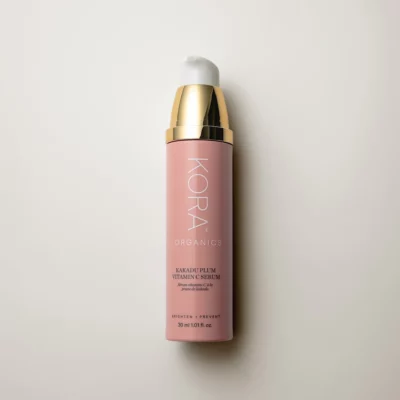
KORA Organics
Blended with a boost of Hyaluronic Acid and super fruits to brighten and hydrate, this formula uses Ascorbyl Glucoside, the gentlest form of stabilized Vitamin C.
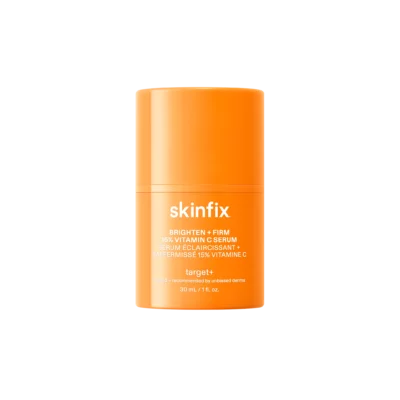
Skinfix
Brighten + Firm 15% Vitamin C Serum
This serum meets the National Eczema Association’s standards, but still delivers a potent 15% concentration of tetrahexyldecyl ascorbate!
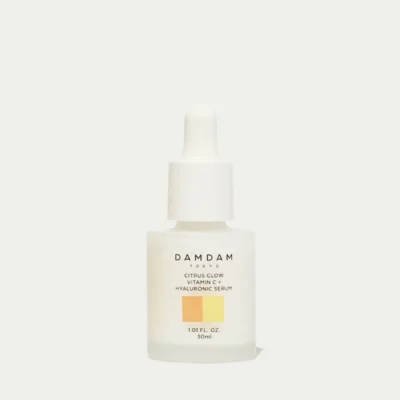
DAMDAM
A bouncy, barrier-boosting Vitamin C serum that helps support collagen production, reduce visible discoloration, and maintain barrier strength.
This post was last updated on June 17, 2026, to include new insights.
The post If Your Skin Needs a Reset, a Vitamin C Serum Is Probably What’s Missing appeared first on Camille Styles.